
Best Pandit In Trimbakeshwar
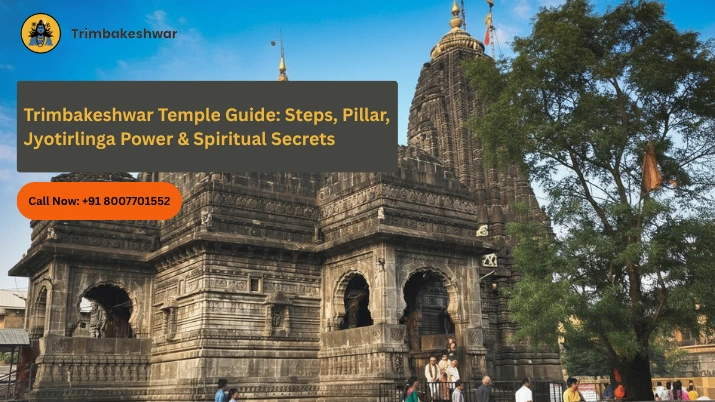
Trimbakeshwar Temple Guide: Steps, Pillar, Jyotirlinga Power & Spiritual Secrets
The Trimbakeshwar Temple, located in Nashik, Maharashtra, is one of the most spiritually powerful places in India. Being one of the 12 Jyotirlingas of Lord Shiva, Trimbakeshwar is sought after by millions for its positive energy, peace, and freedom from the cycle of karma.
However, the temple is not only about its sacred appeal. The experience it offers is solely for the person, and it is one of the most transformative experiences one can have. The temple is built in such a way that every step, every pillar, and every part of the temple is intertwined with the spirituality of the ages. Here, we will explore the steps of the temple, the sacred pillar, the unique power of the Jyotirlinga, and the spirituality of the temple, and explain why Trimbakeshwar is one of the most important religious sites in India.
Trimbakeshwar Temple — Quick Facts & Spiritual Insights
| Topic | Details |
| Temple Location | Trimbak, near Nashik, Maharashtra, India — one of the 12 Jyotirlingas of Lord Shiva. |
| Total Steps in Temple | Around 30–40 steps to reach the sanctum sanctorum. |
| Brahmagiri Hill Steps | Around 750–800 steps to reach the top, where River Godavari originates. |
| Sacred Pillar (Brahma Stambha) | Built in Hemadpanthi architecture, symbolizes connection between heaven and earth. |
| Power of Jyotirlinga | Represents Brahma, Vishnu, and Mahesh (Trimurti) — unique among all 12 Jyotirlingas. |
| Best Time to Visit | During Shravan Month, Mahashivratri, or Kumbh Mela (every 12 years). |
How Many Steps in Trimbakeshwar Temple?
The Steps Inside the Temple
As we enter the Trimbakeshwar Temple, devotees must climb approximately 30 to 40 steps to reach the main sanctum sanctorum of the temple. These steps, made from black basalt stone, have remained unchanged for a long time. Although the number of steps might seem small, each step carries a unique, profound weight in spirituality.
Each one of the steps leading to the sanctum sanctorum is considered to offer a stage of the spiritual climb that one takes. These steps provide an opportunity to transition from the outer state of materialism to the inner realm of divine peace. As devotees climb the steps, each one offers a higher transcendence of worldly attachments till Shiva is reached.
The Devotee’s Experience
As worshippers ascend the stone steps, the temple is ablaze with the spirited chants of “Har Har Mahadev.” Many take their time on each step, stopping to pray or meditate for a little while.. In contrast to the physical experience, the emotional experience represents a journey to surrender to peace.
Climbing the Brahmagiri Hill Steps
Just beside the temple is Brahmagiri Hill. This is one of the places believed to be the origin (or birthplace) of the holy river Godavari. Devotees participating in the Trimbakeshwar pilgrimage have to climb around 750 to 800 more steps (as part of their pilgrimage) to reach the top.
Spiritual Significance of the Hill
Gautama Rishi is famously known to have done penance on Brahmagiri Hill. This is where the Godavari River came down from the heavens with the blessing of Lord Shiva. Because of this association, the steps to the top of the hill are believed to purify one’s soul.
From the top, hill climbers can see the temple, the valley, and the source of the holy water. This is intended to evoke a sense of awe and tranquility for the climbers. It is said that those who hilltop with faith are said to be able to overcome their challenges.
The Sacred Pillar of Trimbakeshwar
Structure and Architecture
One of the most fascinating aspects of the temple is the sacred pillar fashioned in the Hemadpanthi architectural style. The black stone pillar is intended to represent strength and inner light. The Hemadpanthi style takes pride in its interlocking rock technique, which makes a structure (such as a building) strong and enduring.
Symbolism and Beliefs
On a spiritual level, a pillar is known as Brahma Stambha, which references a world axis and the connection between the heavens and the earth. Some local devotees believe that a pillar possesses the three energies of creation, preservation, and destruction, much like the three heads of the Trimbakeshwar Jyotirlinga.
For years, a pillar has radiated divine energies to thousands of people, and it has witnessed countless miracles as people prayed and performed rituals at the pillar.
Power of the Trimbakeshwar Jyotirlinga
Which Jyotirlinga Is Most Powerful?
Of all the 12 Jyotirlingas, Trimbakeshwar is unique and sacred. Because of this, devotees consider it one of the most powerful Jyotirlingas, as it represents not just Lord Shiva, but also the Trimurti, comprising Brahma, Vishnu, and Mahesh.
The Shiva lingam in the temple has three heads, representing the three energies. Because of this, Trimbakeshwar is the only Jyotirlinga in India where all aspects of creation, preservation, and destruction exist in one single form.
Why It Is Spiritually Unique
It is said that meditation here brings spiritual freedom, and the most prominent Shivling is kept in this way to represent the eternal flow of life. The energy is sacred and so powerful inside the temple that devotees are not allowed to touch the Shivling to keep it pure.
Trimbakeshwar’s Spiritual Importance
Why It Is Special Among the 12 Jyotirlingas
Trimbakeshwar is a ‘Shiva Temple and a Moksha Kendra’ where ancestors are appeased and ultimate liberation is attained. It is here that Vedic priests conduct Narayan Nagbali Puja, Tripindi Shraddha, and Kaal Sarp Dosh Puja.
These rituals are intended to clear devotees of their ancestors’ debts and provide them with complete peace and wealth.
Connection to the Godavari River
The ‘Ganga of the South’, the Godavari, originates from the Kushavarta Kund, located near the temple. Legend has it that Gautama Rishi is said to have created the river.
The Kund is one of the most sacred bathing spots, where pilgrims purify themselves before entering the temple.
Role in Kumbh Mela
Trimbakeshwar is the center point of the Simhastha Kumbh Mela held once every 12 years. It is the largest religious gathering in the world, where pilgrims, saints, sadhus, and devotees from all over India congregate to bathe in the Godavari and attain higher consciousness.
Devotee Experience and Rituals
Daily Poojas
The temple performs several daily rituals, each filled with devotion and precision:
- Rudrabhishek – a robust offering to Lord Shiva with Vedic chants and sacred water.
- Navagraha Shanti Puja – performed to reduce planetary obstacles.
- Maha Mrityunjaya Jaap – done for healing, longevity, and protection from untimely death.
Each ritual is said to carry immense power when performed in the Trimbakeshwar premises, as the energy of the Jyotirlinga amplifies its effect.
Rules for Darshan
There are custom rituals for devotees. The Shivling is to be left untouched as it is believed to be self-manifested and of the highest sacredness. Devotees pray from a distance and priests perform abhishekam while the devotees watch.
People remain quiet in the holy place to preserve its spiritual peace, and traditional clothing is worn.
Frequently Asked Questions (FAQ)
How many steps are there in Trimbakeshwar Temple?
There are approximately 30 to 40 temple steps to climb and reach the sanctum, which symbolizes spiritual elevation and strength
What is the pillar of Trimbakeshwar Temple?
The sacred pillar is said to represent the Hemadpanthi style and the cosmic axis, embodying the spiritual stability of the universe.
Which Jyotirlinga is considered the most powerful?
To many devotees, Trimbakeshwar is the most potent of the Jyotirlingas, as it represents Brahma, Vishnu, and Shiva all together as one.
Why is Trimbakeshwar unique among the 12 Jyotirlingas?
It is the only Jyotirlinga with three faces and the source of the holy Godavari River.
What pujas are performed at Trimbakeshwar?
The main pujas are Kaal Sarp Dosh Puja, Narayan Nagbali Puja, Pitra Dosh Puja, and Maha Mrityunjaya Jaap.
Can devotees touch the Shivling at Trimbakeshwar?
No devotees may touch the Shivling. Only the priests may do the abhishek and touch the Shivling.
What is the role of Trimbakeshwar in the Kumbh Mela?
It is one of the main sites of the Simhastha Kumbh Mela, held every 12 years on the banks of the Godavari River.






Comments